

Description
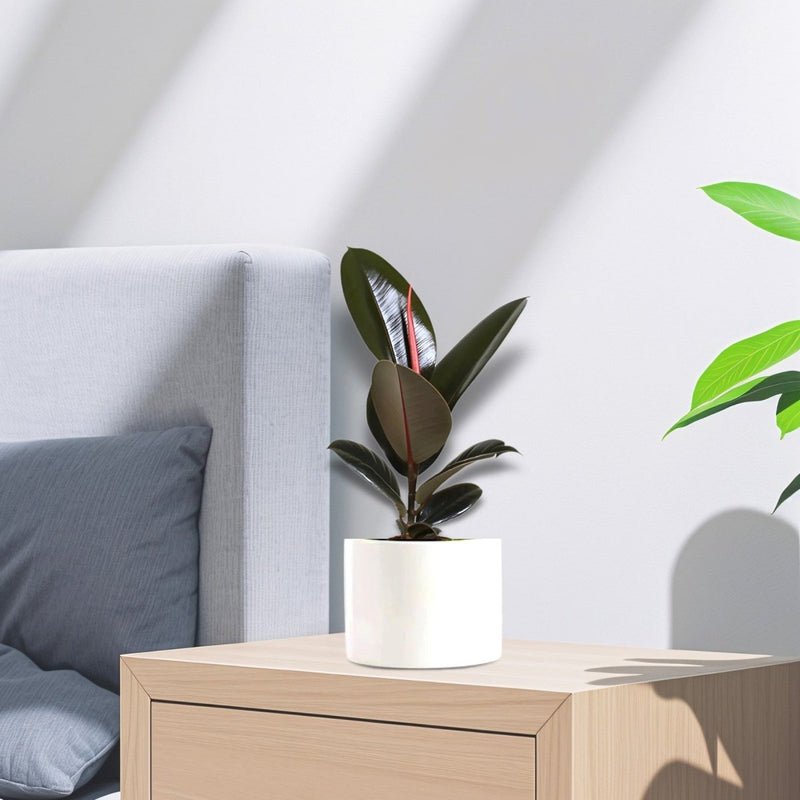
Ficus elastica, commonly known as the rubber plant or rubber tree, is a popular houseplant admired for its bold, glossy foliage and easy-care nature. Here’s a full breakdown of what makes this plant special:
🌿 Overview
Botanical name: Ficus elastica
Common names: Rubber plant, rubber tree, Indian rubber bush, rubber fig
Native range: Southeast Asia—from the Himalayas to Malaysia, Sumatra, and Java2
Type: Evergreen houseplant or small tree
Height: Up to 100 feet outdoors; typically 6–10 feet indoors
🌞 Light & Environment
Prefers bright, indirect sunlight
Can tolerate low light but grows slower
Ideal indoor temperatures: 10°C to 29°C
Sensitive to dry air—mist regularly or place in a humid room like a bathroom
💧 Water & Soil
Water when the top inch of soil is dry
Use well-draining soil—a mix of peat, pine bark, and perlite works well
Avoid overwatering to prevent root rot
🌱 Growth & Varieties
Fast-growing and can become a large floor plant
Popular varieties include:
‘Robusta’ – large, dark green leaves
‘Burgundy’ – deep red-black foliage
‘Tineke’ – variegated green, white, and pink leaves
‘Ruby’ – red-pink and white tones
‘Tricolor’ – green with pink and cream patches
✂️ Care Tips
Prune to control height and encourage bushier growth
Fertilize monthly during the growing season (spring and summer)
Repot every 1–2 years when root-bound
Propagate via stem cuttings
⚠️ Safety Notes
The plant’s milky sap is toxic to pets and can irritate skin and eyes
Always wear gloves when pruning
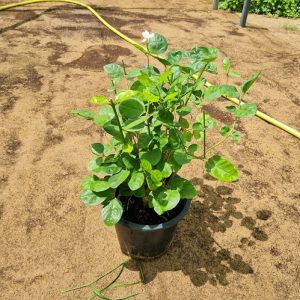
%2030-40cm&url=https://shop.greengate.me/product/ficus-elastica-abidjan-rubber-plant-30-40cm/&media=https://shop.greengate.me/wp-content/uploads/2025/10/ficus-elastica-abidjan-rubber-plant-30-40cm-466705528129.jpg)

&url=https://shop.greengate.me/product/clerodendrum-inerme-wild-jasmine/&media=https://shop.greengate.me/wp-content/uploads/2025/08/Clerodendrum-inerme-preview.jpg)


There are no reviews yet.